
SEE HOW THE PROCESS WORKS
Your property is the starting point for a home designed around how and where you want to live. Comerio Homes guides you through every stage—from evaluating your property and designing your home to permitting and construction.
Instead of navigating zoning, permits, site preparation, and construction alone, our team helps simplify each step and manages the details along the way, so you can move forward with confidence.
Watch the video below to see how we help turn your land into your new home.
YOUR LAND. OUR PROVEN BUILD PROCESS.
Building on your own land gives you the freedom to choose where and how you live. With Comerio Homes’ Build On Your Land program, you can create a new construction homea on land you already own or plan to purchase.
Instead of navigating zoning, permits, site preparation, and construction alone, our team guides you through the entire process. From evaluating your land to designing your home and managing construction, we simplify each step so you can move forward with confidence.
SEE HOW THE PROCESS WORKS
Download our comprehensive Build on Your Land E-Guide
Benefits of Building on Your Own Land with Comerio Homes:
Building on your own land with Comerio Homes is a rewarding experience that combines the advantages of a personalized home with the efficiency of our expert process. Our focus is on delivering exceptional homes and offering a streamlined process to make building on your land as straightforward and enjoyable as possible. Here are a few benefits of building on your land.
- Personalization: Building on your land allows you to create a home that reflects your unique style and preferences. With our pre-designed floor plans, you can choose the layout that best fits your vision and customize it with a range of options & upgrades.
- Maximized Land Use: We help you make the most of your land’s natural features and advantages, ensuring that your new home complements the landscape and fits seamlessly into its surroundings.
- Streamlined Process: Our team manages the complexities of the building process, so you can focus on personalizing your home and enjoying the journey.
- Efficiency and Expertise: Leveraging our experience and relationships to provide a more efficient path to homeownership, minimizing the time and effort required compared to starting from scratch or going it alone.
Things to Consider Before Purchasing Land:
Before purchasing land for your new home, there are several important factors to consider:
- Size of the Land: Determine if the land size meets your needs for your home, outdoor spaces, and any additional features you plan to include.
- Financial Blueprint: Scrutinize your budget meticulously. Ascertain the financial outlay you’re prepared to commit to the land and your home’s construction. Remember that land prices can oscillate dramatically based on geographical location and inherent attributes.
- Land Features and Challenges: Evaluate the natural features and potential challenges of the land, such as terrain, soil quality, and vegetation, which may impact construction.
- Access to Utilities: Check the availability and accessibility of essential utilities like sewer, electricity, water, and gas.
- Proximity to Neighbors: Consider the distance between your land and neighboring properties for privacy and community considerations.
- City or County Requirements: Understand local regulations and requirements that may affect your building plans.
- Zoning: Verify the zoning classification of the land to ensure it is suitable for residential construction and any additional uses you envision.
- Easements: Identify any easements on the property that may affect your ability to build or use the land as intended.
- Flood Plains: Check if the land is located in a flood plain, which could impact construction and insurance requirements.
What Will You Do with the Land?
When building your new home on your land, consider incorporating these popular features to enhance your property:
- Machine Shed: Ideal for storing equipment and tools.
- Stables / Riding Arena: Perfect for equestrian enthusiasts and horse care.
- Swimming Pool: A great addition for relaxation and recreation.
- Carriage or Guest Home: Provides extra space for guests or additional family members.
- Horses or Livestock: Accommodate your animals with appropriate facilities.
- Pond: Adds beauty and tranquility to your landscape.
- Gated Entrance: Enhances security and privacy for your property.
These considerations and features can help you maximize the potential of your land and create a home that suits your needs and lifestyle perfectly.
Navigating Licenses and Permits for Building on Your Land
Building on your own land involves navigating a complex landscape of licenses and permits, each tailored to ensure your project complies with local regulations. This process includes securing local building permits, obtaining zoning approvals, and addressing environmental and site-specific permits.
At Comerio Homes, we streamline this process for you, handling the intricacies of permit applications and regulatory compliance. Our expertise ensures that your construction journey is smooth and compliant, allowing you to focus on turning your vision into reality. Partnering with us means avoiding costly delays and achieving your dream home with confidence.
Estimating Your Budget for Building on Your Land
Planning your budget for building a custom home is a critical step that sets the foundation for your project. Here’s a streamlined approach to help you estimate your budget effectively:
- Assess Your Finances: Start by evaluating your financial health, including savings, income, and potential loans or mortgages. Knowing your financial standing will guide you in setting a realistic budget.
- Set Your Priorities: Identify what aspects of your home are essential and where you can be flexible. Decide on the size, design, and special features of your home to allocate your budget where it matters most.
- Include a Contingency Fund: Set aside about 10% of your budget for unforeseen expenses. This buffer helps manage unexpected costs that may arise during construction.
- Plan for Long-Term Expenses: Beyond construction, consider ongoing costs such as property taxes, utilities, and maintenance to ensure your budget remains sustainable.
Build On Your Land - Process
Step 1 – SELECT YOUR LAND
Step 2 – REVIEW FEATURES OF THE LAND
- Discuss specific features of the land (size, site prep needed, positioning of home)
- Discuss length of driveway / available utilities / sewer or septic system
Step 3 – PICK A FLOOR PLAN
- Select a floor plan from Comerio Homes website
Step 4 – CUSTOMIZE YOUR HOME
- Review buyer specific options & upgrade to include in your new home
Step 5 – DISCUSS FINANCING
- Construction to perm loan is required to build on buyer’s land (refer to preferred lender list)
(This is due to buyers having title to the land in their name)
Step 6 – PROJECT FEASIBILITY
- Execute project feasibility agreement
- Non-refundable fee is due to retain Comerio Homes due diligence services
- Buyers must own the land or have the land under contract before any due diligence can be performed.
Step 7 – DUE DILIGENCE
After the feasibility agreement is signed Comerio Homes will review the following Items:
- City / jurisdiction (restrictions, permitting, codes)
- Review zoning
- Review the size of the property
- Review setback restrictions & easements (when information is provided by a title search)
- Review HOA requirements (if applicable)
- Review the desired positioning of home on land (if possible)
- Site visit to land by Comerio Homes rep (if land is walkable or accessible)
- Provide estimate or allowance for plot plan survey (survey not included)
- Provide estimate or allowance for percolation test (required for septic system quote, test not included)
- Provide estimate or allowance for septic system install
- Provide estimate or allowance for site prep (clearing trees, brush, culvert install, etc.)
- Provide estimate or allowance for driveway length & utility connections
Step 8 – REVIEW PRICING
– PRICING
- Comerio Homes will produce a pricing summary estimate outlining the costs and allowances to build your home (only if buyer selected a Comerio Homes floor plan, if buyer provided a floor plan additional estimating will apply)
Step 9 – SIGN NEW HOME SALE CONTRACT
- CONTRACT PREPARATION (Contracts will be provided prior to meeting for review)
Build On Your Land - Frequently Asked Questions
DO I NEED TO OWN THE LAND?
Ultimately yes, you need to own the land to start construction, however you do not need to own the land if doing your due diligence or to meet with Comerio Homes. You should, however, at least have the land under contract to purchase.
DOES COMERIO HOMES SELL LAND?
Comerio Homes does not have larger tracts of land for buyers to build on. If you are searching for land to build on you will need to consult with a real estate agent to search for that perfect property. If you need a real estate agent who specializes in land, please let us know and we can connect you.
CAN I FINANCE MY LAND INTO MY CONSTRUCTION LOAN?
Yes, timing is everything so make sure to give yourself enough time to close on the land at the same time as the construction loan. To do this you will need to have everything ready to go as far as a permit-ready floor plan and contract ready pricing.
CAN I COUNT LAND EQUITY TOWARDS MY MORTGAGE DOWN PAYMENT?
Yes, most landowners have equity in their land and lenders use that as part or all of your required down payment for your mortgage.
WHAT IS A CONSTRUCTION TO PERM LOAN AND WHY DO I NEED IT?
Typical new home construction is financed by the builder getting a construction loan to build the home. When the home is complete the buyer gets their mortgage loan to buy the home from the builder. That is two loans with two sets of loan and appraisal fees.
A construction to perm loan is one loan that the buyer gets up front for construction and when the home is complete that same loan turns into your normal 30-year mortgage. This type of loan is required when building on your land because you have the title to the land making it not possible for a builder to get a lender to loan money for construction on land that you own.
Once construction has started the buyer does not have to do anything more as all construction draws are processed between the builder and the lender. Please see our Financing page for a list of our preferred lenders who do construction to perm loans.
WILL I BE REQUIRED TO MAKE MONTHLY PAYMENTS DURING CONSTRUCTION?
No, the cost to construct your home should be included in your construction loan and monthly interest payments will be a part of that loan. The lender will process monthly draws with Comerio Homes which will include monthly loan payments.
DO I NEED TO PURCHASE FLOOR PLANS?
No, you do not have to purchase floor plans. You can select one of Comerio Homes’ floor plans and customize it to fit your needs. No land? Build in one of the communities we build in.
CAN I BRING MY OWN FLOOR PLANS?
Yes, you can bring your own floor plans, however, there may be more work required to get those plans ready for pricing and permitting. Most floor plans purchased online, for example, do not have engineering provided on the plans which are needed to provide accurate pricing, and for permitting. Bring us what you have, and we can go from there.
DOES COMERIO HOMES PROVIDE DUE DILIGENCE SERVICES TO REVIEW YOUR LAND?
Yes, we provide all the due diligence you need to review all the things needed to build the home of your dreams. We start the process by executing our project feasibility agreement with a deposit.
HOW MUCH DEPOSIT IS REQUIRED TO START DUE DILIGENCE OF YOUR LAND?
A minimum deposit of $5,000 is required to start the due diligence process.
Your Land, Your Home with Comerio Homes
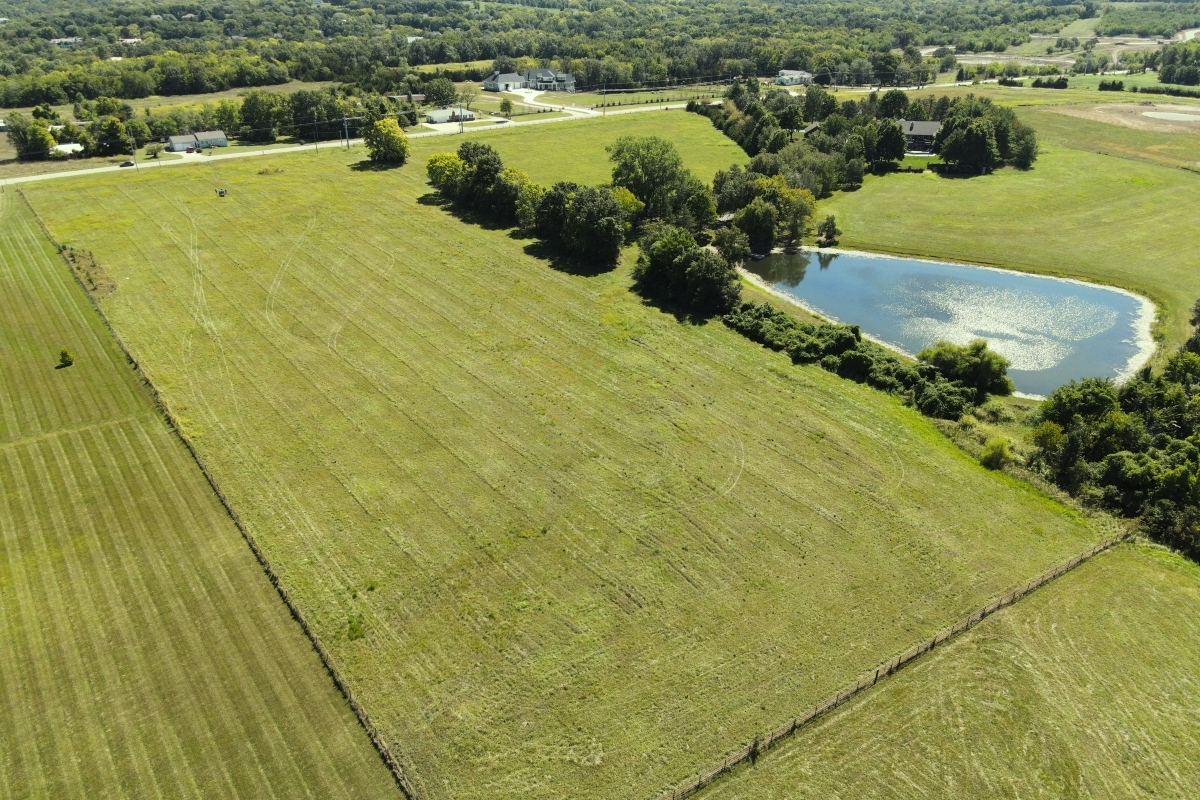
Your land offers flexibility, privacy, and control over where your home is built. With Comerio Homes, it becomes the foundation for a thoughtfully designed home that reflects how you want to live.
From the start, our team works closely with you to understand your property, goals, and timeline. By addressing site conditions early, we help create a smoother building process and a home built for long-term living.
Site Evaluation Steps
Before construction begins, we evaluate your property to understand what’s needed to prepare the site and position your home properly.
Our team reviews the land’s buildability, access, utilities, soil conditions, drainage, and applicable zoning or building requirements. Identifying these conditions early helps us plan around the realities of your property rather than assumptions.
During the evaluation, we review:
- Buildability & Slope – Helps determine home placement, foundation requirements, excavation, and drainage.
- Soil Conditions – Identifies considerations that may affect engineering and foundation preparation.
- Utilities – Reviews the availability, location, and feasibility of necessary utility connections.
- Driveway & Site Access – Evaluates access for construction equipment and your future driveway.
- Drainage & Site Preparation – Identifies grading and drainage needs that may affect site preparation.
- Home Positioning – Considers sunlight, privacy, views, and the natural features of your property.
Once the evaluation is complete, we review the findings with you and outline the next steps. This allows site preparation, timelines, and related costs to be planned around the actual conditions of your property.

Understanding BOYL Costs
Every piece of land comes with conditions that affect the total investment. As experienced acreage home builders, we help you understand the factors that matter most so you can plan with confidence.
While no two properties are the same, several site-related elements typically influence overall cost.
Cost influences may include:
-
Land Preparation Work – Clearing, grading, leveling, debris removal, soil improvement
-
Utility Installation – Distance to water, gas, sewer, electric, or septic/well solutions
-
Foundation Engineering – Soil and slope determine slab, crawl space, daylight, or walkout options
-
Access Requirements – Driveway grading, culverts, and temporary equipment paths
-
Rural Infrastructure Needs – Drainage planning, stormwater management, erosion control
By reviewing these items early, we help reduce surprises and provide clear expectations. With Comerio Homes, you don’t just receive numbers, you gain clarity, strategy, and confidence.
Floor Plan Options
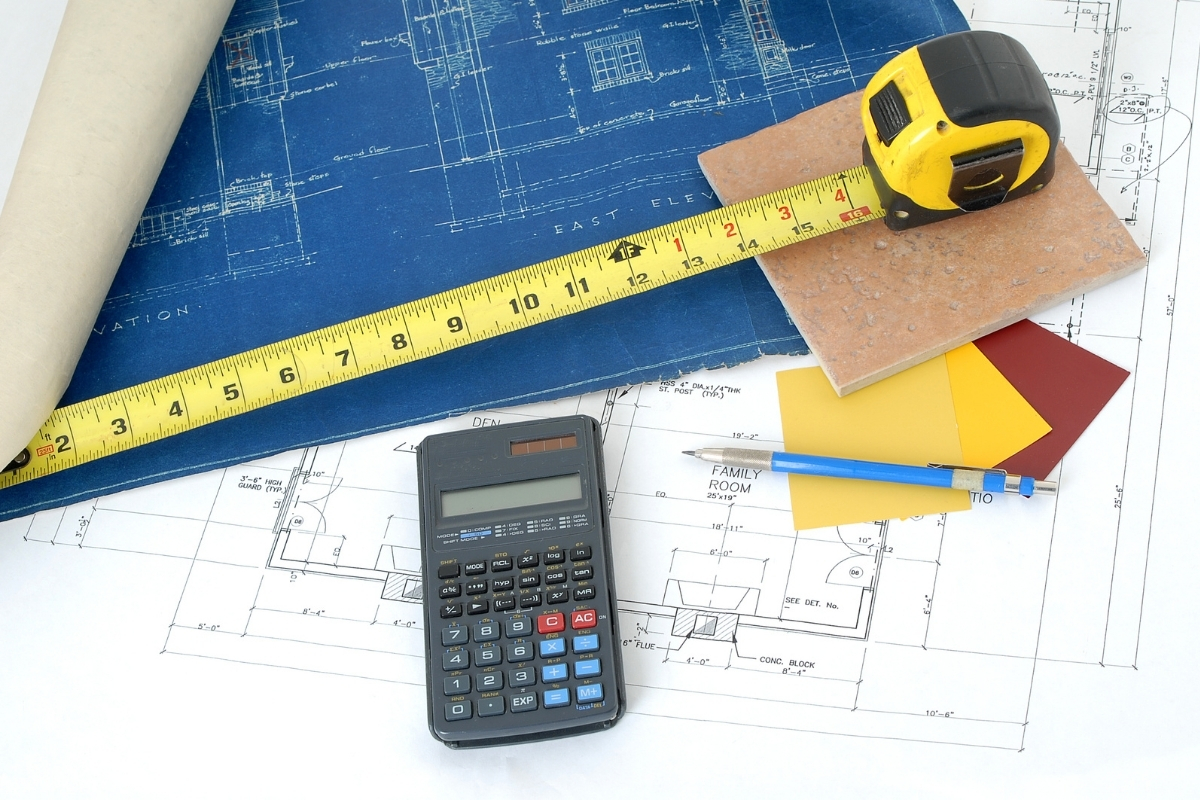
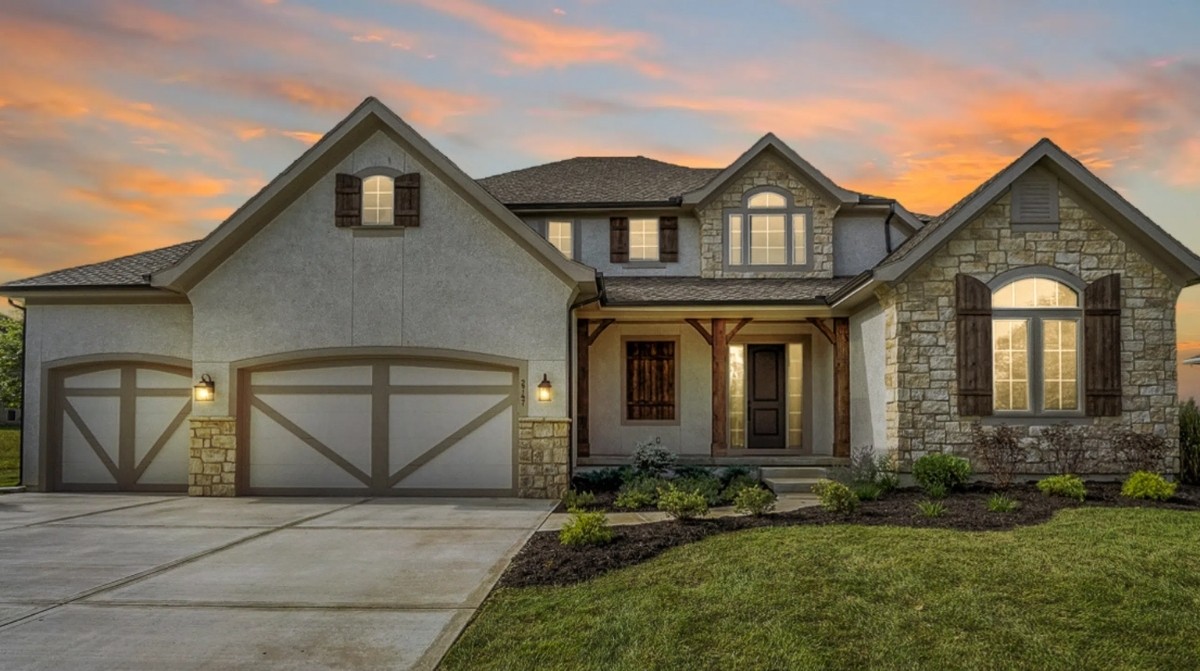
Your land deserves a home designed to complement it. With Comerio Homes, floor plans are engineered to adapt to a wide range of properties and settings.
To support different site conditions, our floor plans are designed to work well with:
- Acreage and wide-front land
- Sloped or irregular lots
- Scenic backdrops or tree lines
- Rural or private settings
- Outdoor living integration
- Additional buildings such as shops, barns, or detached garages
Whether you’re looking for open-concept living, larger windows, a walkout lower level, or a layout suited for scenic surroundings, our team helps you select a plan that fits your land and how you plan to live on it.
Acreage & Rural Construction Expertise
Building on acreage requires a different level of planning than building in a subdivision. With extensive experience in rural construction, Comerio Homes understands the challenges that come with larger, less-developed properties.
Because rural land involves additional considerations, our team is familiar with:
- County building requirements
- Septic + well planning
- Easements and setback regulations
- Environmental + drainage considerations
- Long driveway and access planning
- Rural utility limitations
- High-efficiency home positioning
A home built on acreage should deliver comfort, functionality, and long-term durability. That level of performance comes from experience in rural construction and careful planning from the start.